Injury Rehabilitation: common mistakes to avoid
Pain after a car accident, a work injury, or a sports mishap can make every choice feel loaded: rest or move, continue an exercise or stop, return to work or wait another week.
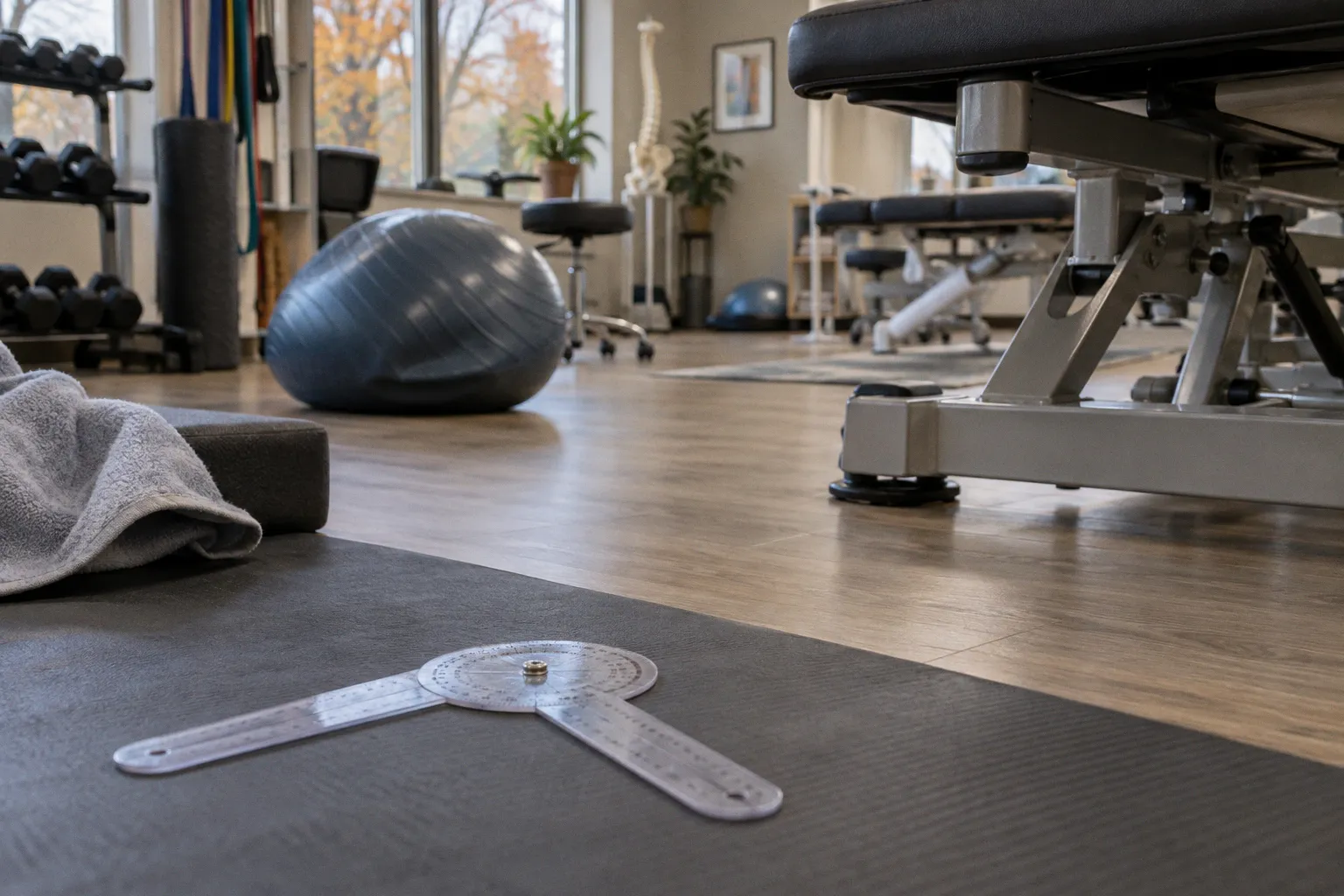
The common mistakes in injury rehabilitation often come from treating recovery as a simple countdown, when your symptoms and the demands of daily life are giving us useful information about what your body can manage right now.
A steady plan helps you rebuild movement and confidence without turning every sore day into a setback. We can look at how the injury happened, what activities bring on symptoms, and how you respond afterward. That gives you a practical way to check common mistakes to avoid: watch for prolonged inactivity, increases in activity that outpace your current tolerance, and pressure to return before you are ready.
The trap of prolonged inactivity
Rest has a place in recovery. After a whiplash injury, a day or two of rest may help. But spending too long in bed can slow healing, and keeping your neck still for long periods can reduce muscle strength. Rest is most useful when it gives an irritated area a brief break while you work out, with a healthcare professional, how to resume suitable movement.
This can feel counterintuitive when movement hurts. A sore or stiff neck may seem to be asking for complete stillness. Yet pain does not always mean that every movement is harmful. It does tell us to pay attention to the type, amount, and timing of movement. The goal is a gentle load that your current tissue tolerance can handle, rather than forcing through symptoms or avoiding all activity indefinitely.
After an injury, try to separate ordinary movement from tasks that clearly aggravate your symptoms. Walking around the home, changing position, or doing a clinician-prescribed range-of-motion exercise may be manageable even when lifting, driving, or prolonged desk work is not. Your exact plan depends on the injury and your symptoms; there is no single rest schedule that fits every car accident, workplace injury, or sports strain.
A useful pacing approach is to start with a manageable amount of activity, then notice how you feel during it and afterward. If symptoms rise sharply, linger, or make ordinary tasks harder, that may be a sign to reduce the load or discuss the exercise with your clinician. If the activity feels manageable, you can build gradually. Recovery is less like flipping a switch and more like adjusting a dimmer: small changes give you room to notice what helps.
Rest can create breathing room early in recovery. Long-term stillness can make the return to movement harder.
Whiplash recovery and the foam collar question
Whiplash can leave your neck sore and stiff, and it may be tempting to hold it completely still. A soft foam collar is sometimes used, but it is not a universal requirement. Clinicians differ on collar use and how long it should continue, so ask the professional directing your care whether it is appropriate for you and when to stop using it.
The concern with wearing a collar for a long time is that the neck muscles may become weaker, which can slow recovery. That does not mean you should discard a collar that was recommended for your situation. It means the decision belongs in a plan that accounts for your injury, symptoms, and other medical factors, rather than a rule picked up from someone else’s recovery.
Prescribed movement exercises and physical therapy may help restore neck range of motion and strength. The useful word is prescribed: an exercise that suits one person may be too demanding for another, especially early on. Follow the instructions you were given, and report exercises that bring on a marked increase in pain or other symptoms. We can then adjust the range, repetitions, or timing instead of treating discomfort as a test of willpower.
Whiplash also affects everyday tasks in ways that can be easy to miss. Turning your head to check traffic, sitting through a meeting, or looking down at a screen for a long stretch may be more challenging than a brief exercise session. Let those tasks inform the conversation with your therapist or clinician. A rehabilitation plan should help you work toward the movements you need in daily life, with pacing that leaves room for recovery between efforts.
Concussion management: a careful return to activity
A concussion changes the recovery picture. The body may need relative rest during the first few days, followed by a gradual return to regular activities after a day or two, as symptoms allow. The aim is not to stay in a dark room indefinitely, and it is not to push through worsening symptoms. If an activity makes symptoms worse, reduce it and give your body a chance to settle.
Keep an eye on how activities affect you. Reading, screen time, school, work, and physical exertion can all be part of the gradual return, but the right pace varies. If symptoms do not go away within two to three weeks, or they worsen after you resume regular activities, contact a healthcare provider. Some people have symptoms for months or longer, so a longer course is a reason to seek guidance rather than to blame yourself for recovering slowly.
For athletes, returning to play requires particular care because another head injury during recovery can carry additional risk. CDC guidance describes a six-step return-to-play progression. The athlete advances only when no new symptoms occur at the current step; if symptoms return or appear, that is a signal to ease back. Follow the progression set by your healthcare provider and do not skip steps because a practice or game is coming up.
Concussion symptoms can be subtle or change as activity increases. That is why a symptom-free moment at rest does not automatically mean you are ready for unrestricted sport. We want the return to be gradual, with each step offering information about how your brain responds to greater demands. When symptoms show up, pause the progression and get advice on what to do next.
Exercise progression: avoid the “too much, too soon” cycle
Exercise can support rehabilitation, but adding too much too quickly can turn a promising routine into a flare-up. Common exercise-injury causes include pushing too hard or too fast, skipping rest between workouts, using poor form, and repeating the same movement over and over. If exercise causes pain, stop that activity rather than trying to prove you can finish it.
One way to keep progression more manageable is to change one element at a time. That might mean adding a little duration while keeping intensity steady, or increasing resistance without also adding extra sessions. Raising frequency, duration, and intensity all at once makes it harder to tell what your body is responding to. A therapist can help you choose a sensible starting point and adapt it as your strength and tolerance change.
Warm-up and cool-down routines can also support a more measured session. General exercise guidance suggests warming up for five to ten minutes at an easier pace and cooling down for five to ten minutes afterward. Stretches are commonly held for 15 to 30 seconds, and guidance recommends stretching at least twice a week. Those figures are general guidance, not a personalized prescription; an injury may call for specific modifications or movements to avoid.
A sprain involves a stretched or torn ligament. A strain involves a stretched or torn muscle or tendon. The difference matters when we plan recovery, because your injury and its stage affect which activities are suitable. Physical therapy or exercise may be part of later treatment after initial care, but you should not assume that a routine designed for a different injury is right for yours.
If pain begins during a sport or workout, stop the activity. Continuing to play or exercise after an injury can cause more harm. You can revisit that movement later when your symptoms and rehabilitation plan support it. That pause is a practical adjustment, not a verdict on what you will be able to do in the future.
Recognizing when the plan needs adjusting
Rehabilitation is a process of making informed adjustments. A plan that felt manageable last week may be too much after a poor night’s sleep or a demanding day at work. A flare-up can be discouraging, but it does not automatically mean that you have undone all your progress. It is a reason to look at the recent load and decide, with your care team if needed, how to proceed.
Keep track of a few useful details: which activity you tried, how long you did it, how symptoms changed during and afterward, and whether everyday tasks became easier or harder. You do not need a complicated log. A short note can help you and your clinician see patterns that are difficult to recall during an appointment.
When you review your plan, ask practical questions. Does this exercise match my injury and current symptoms? How much should I do before taking a break? What response should prompt me to stop or reduce the activity? When should I check in if symptoms are worsening or not settling? Clear answers make it easier to pace yourself and less likely that you will rely on guesswork.
A workplace injury, a collision, and a sports injury can all require different routes back to activity. The available guidance does not set one timeline for all of them, and workers’ compensation processes also vary by location. Your clinician can help connect rehabilitation goals to the physical demands of your job or sport, while you follow the relevant instructions for your specific case.
The most useful recovery plan is one you can adapt as your body responds. Give yourself permission to begin with gentle load, build in steps, and ask for help when symptoms do not follow the expected course. Your body has a capacity to regain movement and strength; steady pacing helps you work with that resilience rather than rushing past it.